What Is The Difference Between Heavy-duty Towing & Regular Towing?
When your vehicle breaks down, not all tow trucks are created equal. There’s a vast difference between towing a compact sedan and recovering a 30-tonne prime mover stuck on a regional highway. That’s where understanding the distinction between heavy-duty towing and regular towing becomes crucial, especially if you manage a commercial fleet or operate heavy machinery.
Both services aim to transport vehicles from one point to another, often in emergencies. However, the equipment, expertise and logistical planning involved vary greatly. In this guide, we break down the differences, provide insight into typical use cases, and explain why choosing a professional makes all the difference, whether you’re in Dubbo or anywhere across NSW.
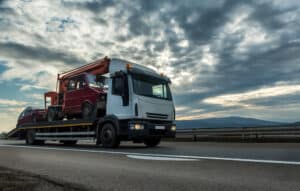
The Basics: What Sets Heavy Duty & Regular Towing Apart?
Both towing types might look similar at a glance—trucks, winches, and the ability to move disabled vehicles. However, each has a distinct purpose, driven by the scale of the vehicles involved. Regular towing is suitable for everyday cars, motorcycles, and light vans. On the other hand, heavy-duty towing is for the big stuff—buses, trucks, earthmovers, and industrial trailers.
Key differences include:
- Weight capacity: Heavy-duty towing can manage loads over 17 tonnes, far exceeding the limits of light tow trucks.
- Vehicle types: Cars and SUVs vs articulated trucks, mobile cranes, and tankers.
- Towing equipment: Standard wheel-lift or flatbed vs. multi-axle, high-torque rigs with hydraulic systems.
- Response environments: Urban streets vs. remote, off-road or industrial zones.
Fleet Mishaps & Machinery Breakdowns: Why Heavy Towing is Essential
Fleet operators and contractors rely on promptly removing large vehicles that fail en route. These breakdowns don’t just inconvenience drivers—they halt logistics chains, delay delivery contracts and can even pose safety risks on the road.
Heavy towing specialists are trained to respond quickly and efficiently in these scenarios. Whether a refrigerated truck breaks down during a long haul or an excavator is immobilised on a civil project, timely recovery minimises financial and operational impact.
Common heavy towing callouts include:
- Articulated truck breakdowns
- Machinery immobilisation on site
- Fleet transport vehicle collisions
- Construction or agricultural equipment recovery
- Mining haul trucks with mechanical faults
Equipment That Can Handle the Pressure: Tow Trucks Built for Strength
The gear used in heavy towing is vastly different from what’s found in standard towing operations. These are purpose-engineered machines built to handle extreme loads and challenging conditions. Heavy-duty tow trucks have advanced features tailored for demanding recovery and transport tasks.
Specialised features include:
- Extended chassis and multi-axle design for load distribution
- Rotating boom cranes for rollovers and tight extractions
- Hydraulic winches with high-tensile cable for stabilising oversized loads
- Heavy-duty wheel lifts and underlifts to tow prime movers safely
- Towing dollies for immobile or damaged axles
This advanced equipment ensures vehicles can be lifted, secured, and transported safely, whether from a city crash site or a remote work zone.
When Roads Turn Hazardous: Off-Road Recovery & Rollovers
Heavy vehicles are often used in high-risk areas, including construction corridors, mining roads, and long-haul trucking routes that can become dangerous due to poor weather or terrain. Unlike standard tows, these situations call for off-road capabilities and precise recovery techniques.
Heavy towing excels in complex scenarios, such as:
- Rollovers on narrow highways
- Truck and trailer bogged in soft ground
- Buses veering into embankments
- Off-track recovery of agricultural machinery
- Load shifts on inclines and curves
Responding to these requires specialised vehicles and operators understanding safety rigging, load angles, and soil integrity.
The Logistics of Large Load Towing Across Long Distances
Moving large equipment or fleet trucks often involves long-haul recovery across regional or interstate routes. Unlike local towing, this process is governed by strict transport logistics, compliance paperwork, and load management strategies.
Long-distance towing requires:
- Oversize load permits and routing approvals
- Driver fatigue compliance measures
- Specialised tie-down systems for stability
- Load distribution mapping and axle load checks
- Coordination with road authorities for wide or escorted travel
These requirements are a core part of heavy towing operations, so general towing services simply aren’t equipped for such jobs.
Safety Comes First: Regulations and Expertise in Heavy Towing
Safety is critical when moving multi-tonne vehicles or salvage loads. Heavy towing teams undergo specialist training to handle the risks associated with securing, recovering, and transporting vehicles under a range of unpredictable conditions.
Key safety protocols include:
- Load rating assessments before towing
- Rigging certifications for operators
- OH&S compliance during winch and lift operations
- Mandatory inspections of tow equipment before dispatch
- Live traffic management during roadside recoveries
Choosing a compliant operator isn’t just wise—it’s a regulatory must, especially for businesses with heavy vehicle registrations and insurance conditions.
Salvage Services for Commercial Transport Incidents
When a truck or heavy vehicle is involved in a serious incident, it’s not always about towing it away—sometimes it’s about salvaging what’s left. Whether recovering a tipped container or extracting a bogged grader from a flood zone, salvage operations require thoughtful planning and the right equipment.
Professional salvage services include:
- Load spill management and containment
- Hazard clearance (e.g. fuel or chemical leaks)
- Winching and lifting from complex terrain
- On-site dismantling if vehicle removal is not possible
- Coordination with emergency services or insurance assessors
These scenarios are more common than you’d expect and reinforce the value of working with specialists.
Choosing the Right Towing Partner for Your Fleet
Fleet managers and equipment operators face immense pressure to reduce downtime and meet compliance targets. When breakdowns happen, selecting a reliable towing partner is as important as the vehicles in your fleet.
Here’s what to consider when choosing a heavy towing provider:
- 24/7 availability with real-time dispatch
- A diverse tow fleet suited for trucks, buses, and plant
- Proven track record of off-road and salvage recoveries
- Proper licensing and compliance with heavy vehicle legislation
- Strong communication and tracking throughout recovery
It’s not just about getting there—it’s about doing the job done right, safely, and with minimal disruption to operations.
Need Urgent Heavy Towing in Dubbo? We’re Just a Call Away
At Outback Recovery Services, we understand the high stakes involved in heavy vehicle incidents and long-haul recoveries. Our fleet is ready to assist with anything from machinery breakdowns to complex salvage across NSW and beyond. With round-the-clock service, specialist equipment, and trained operators, we’re your partner in all things heavy towing.
Need urgent recovery or planning transport for your fleet? Give us a call today on 02 6888 5054 for heavy towing in Dubbo.